
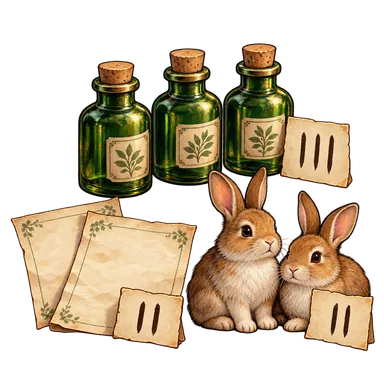
Learn the basic number readings and use them with a counter for people or objects.
The idea
One to ten are いち、に、さん、よん、ご、ろく、なな、はち、きゅう、じゅう. Build 15 as ten plus five and 20 as two tens; larger units include 百, 千 and 万 (ten thousand). Counters change some readings.
| Form | Reading |
|---|---|
| 一 | いち |
| 二 | に |
| 三 | さん |
| 四 | よん/し |
| 五 | ご |
| 六 | ろく |
| 七 | なな/しち |
| 八 | はち |
| 九 | きゅう/く |
| 十 | じゅう |
| 十五 | じゅうご |
| 二十 | にじゅう |
| 百 | ひゃく |
| 千 | せん |
| 万 | まん |
Examples
- 家族は四人です。There are four people in my family.
- 友達は二人です。I have two friends.
- 鉛筆が五本あります。There are five pencils.
- 本が三冊あります。There are three books.
- 値段は百円です。The price is 100 yen.
- 全部で十個あります。There are ten items altogether.
Read-aloud uses a synthetic Japanese voice available on your device. Voice quality and availability vary; it does not assess your pronunciation.
No Japanese device voice is available. You can still read the text and use the linked listening resources.
Watch out
Four, seven and nine also have し, しち and く readings in some combinations. Do not assume a bare number reading remains unchanged before every counter.
Try it yourself
Write the reading in hiragana: 四
Show answer or example answer
よん / し
四 alone can be read よん or し; よん is a useful basic reading.
Write the reading in hiragana: 十
Show answer or example answer
じゅう
十 is じゅう; it is the base for numbers from eleven to nineteen.
Write the reading in hiragana: 十五
Show answer or example answer
じゅうご
十五 combines じゅう and ご, so its reading is じゅうご.
Practice round
Answer questions, then rebuild Japanese sentences where available. We keep your score.
Write the reading in hiragana: 四
Write the reading in hiragana: 十
Write the reading in hiragana: 十五
Tap the words in the right order.
Tap the words in the right order.
Tap the words in the right order.
Keep your progress
Sign up for free to save your practice results in your account.
Sign up to saveI already have an accountUse it today
Count objects around you from one to ten, then choose a suitable counter and check its reading.