
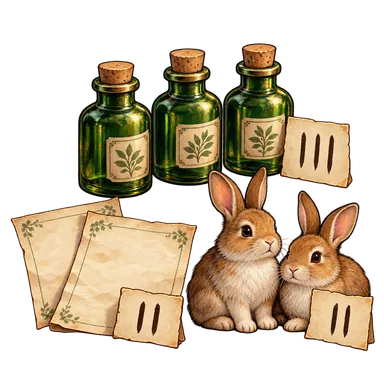
Japanese counters describe the kind of thing being counted.
The idea
Use 枚(まい) for thin, flat items such as paper, tickets and photographs; use 個(こ) for individual small objects such as apples and eggs. Put the number before the counter: 一枚(いちまい), 二枚(にまい), 一個(いっこ), 二個(にこ). Ask 何枚(なんまい) or 何個(なんこ).
| Form | Reading |
|---|---|
| 一枚 | いちまい |
| 二枚 | にまい |
| 何枚 | なんまい |
| 一個 | いっこ |
| 二個 | にこ |
| 六個 | ろっこ |
| 何個 | なんこ |
Examples
- 紙を一枚ください。Please give me one sheet of paper.
- 切符を二枚買いました。I bought two tickets.
- 写真を三枚見ました。I looked at three photographs.
- りんごを一個食べました。I ate one apple.
- 卵が六個あります。There are six eggs.
- 箱の中にボールが何個ありますか。How many balls are in the box?
Read-aloud uses a synthetic Japanese voice available on your device. Voice quality and availability vary; it does not assess your pronunciation.
No Japanese device voice is available. You can still read the text and use the linked listening resources.
Watch out
Do not assume the number is always pronounced the same: 六個 is ろっこ, with a small っ, while 六枚 is ろくまい. The appropriate counter depends on what is being counted.
Try it yourself
紙を一_ください。
Show answer or example answer
枚
枚 counts a sheet of paper: 一枚 is いちまい.
りんごを二_買いました。
Show answer or example answer
個
個 counts individual apples: 二個 is にこ.
Write the reading of 六個 in hiragana.
Show answer or example answer
ろっこ
六個 is ろっこ: the く changes to a small っ before こ.
Practice round
Answer questions, then rebuild Japanese sentences where available. We keep your score.
紙を一_ください。
りんごを二_買いました。
Write the reading of 六個 in hiragana.
Tap the words in the right order.
Tap the words in the right order.
Tap the words in the right order.
Keep your progress
Sign up for free to save your practice results in your account.
Sign up to saveI already have an accountUse it today
Count some sheets and apples, then ask how many of each there are.