
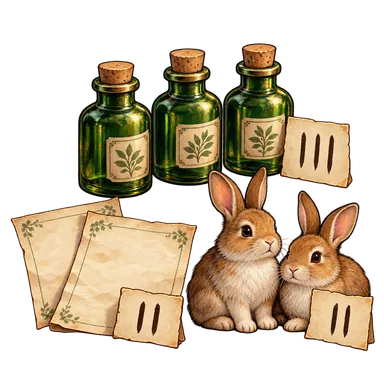
目(め)marks a position in a sequence when it follows a number and counter.
The idea
Add 目 after the counter: 二冊 is two books, while 二冊目 is the second book. Use の before a noun, as in 二冊目の本. 一人目 and 二人目 retain the special readings ひとり and ふたり; 何枚目 asks which numbered item.
| Form | Reading |
|---|---|
| 一つ目 | ひとつめ |
| 二冊目 | にさつめ |
| 一人目 | ひとりめ |
| 二人目 | ふたりめ |
| 三人目 | さんにんめ |
| 二回目 | にかいめ |
| 何枚目 | なんまいめ |
Examples
- これは二冊目の本です。This is the second book.
- 三つ目の駅で降りました。I got off at the third station.
- 一人目は田中さんです。The first person is Tanaka.
- 二回目でうまくできました。I succeeded on the second attempt.
- 一つ目を選んでください。Please choose the first one.
- この写真は何枚目ですか。Which in order is this photo?
Read-aloud uses a synthetic Japanese voice available on your device. Voice quality and availability vary; it does not assess your pronunciation.
No Japanese device voice is available. You can still read the text and use the linked listening resources.
Watch out
Do not confuse a quantity with a position: 二回 means twice, but 二回目 means the second time. The counter still depends on what is counted.
Try it yourself
「二冊目」の読み方をひらがなで書いてください。
Show answer or example answer
にさつめ
二冊目 is にさつめ: attach め to the counter reading にさつ.
一人目、二人目、__。
Show answer or example answer
三人目
三人目 follows the first and second people; it is read さんにんめ.
一回目、__、三回目。
Show answer or example answer
二回目
二回目 fills the second position between the first and third attempts.
Practice round
Answer questions, then rebuild Japanese sentences where available. We keep your score.
「二冊目」の読み方をひらがなで書いてください。
一人目、二人目、__。
一回目、__、三回目。
Tap the words in the right order.
Tap the words in the right order.
Tap the words in the right order.
Keep your progress
Sign up for free to save your practice results in your account.
Sign up to saveI already have an accountUse it today
Point to items in a sequence and say which one each is; then describe your second attempt.