
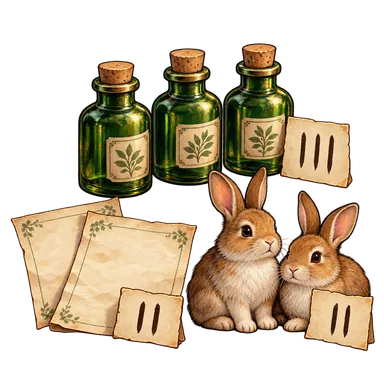
匹 generally counts small animals such as cats and fish; 頭 generally counts large animals such as horses and elephants.
The idea
Put the number before the counter: 一匹 is いっぴき, 三匹 is さんびき and 六匹 is ろっぴき. 一頭 is いっとう; ask 何匹(なんびき) or 何頭(なんとう). The quantity can follow the noun, as in 猫が一匹います.
| Form | Reading |
|---|---|
| 一匹 | いっぴき |
| 二匹 | にひき |
| 三匹 | さんびき |
| 六匹 | ろっぴき |
| 八匹 | はっぴき |
| 十匹 | じゅっぴき/じっぴき |
| 何匹 | なんびき |
| 一頭 | いっとう |
| 二頭 | にとう |
| 三頭 | さんとう |
| 何頭 | なんとう |
Examples
- 庭に猫が一匹います。There is one cat in the garden.
- 魚を二匹飼っています。I have two fish.
- 公園で犬を三匹見ました。I saw three dogs in the park.
- うさぎが六匹います。There are six rabbits.
- 牧場に馬が一頭います。There is one horse on the farm.
- ぞうが何頭いますか。How many elephants are there?
Read-aloud uses a synthetic Japanese voice available on your device. Voice quality and availability vary; it does not assess your pronunciation.
No Japanese device voice is available. You can still read the text and use the linked listening resources.
Watch out
Size is a useful guide, not an absolute biological rule: usage varies by animal and context. Birds are usually counted with 羽, not 匹.
Try it yourself
Write the reading in hiragana: 一匹
Show answer or example answer
いっぴき
一匹 is いっぴき: いち shortens and 匹 becomes ぴき.
Write the reading in hiragana: 三匹
Show answer or example answer
さんびき
三匹 is さんびき: 匹 is voiced to びき after 三.
Write the reading in hiragana: 二頭
Show answer or example answer
にとう
二頭 is にとう: 頭 remains とう after 二.
Practice round
Answer questions, then rebuild Japanese sentences where available. We keep your score.
Write the reading in hiragana: 一匹
Write the reading in hiragana: 三匹
Write the reading in hiragana: 二頭
Tap the words in the right order.
Tap the words in the right order.
Tap the words in the right order.
Keep your progress
Sign up for free to save your practice results in your account.
Sign up to saveI already have an accountUse it today
Count cats and horses, then ask how many animals there are.